
Call for Applications
Call for Speakers
Concept Paper
(1) Objectives of the Conference
Among the 17 goals of the SDGs, Goal 11 aims to “make cities and human settlements inclusive, safe, resilient, and sustainable.” Goal 11 contains 10 targets, of which, Target 11.4 calls for strengthening efforts to “protect and safeguard the world’s cultural and natural heritage.”
However, this objective cannot be achieved solely by protecting world-renowned heritage sites. Rather, it is supported by the accumulation of efforts within individual cities and regions to value, understand, and transmit the cultural and natural heritage that is closely connected to people’s everyday lives to future generations. In other words, efforts to safeguard “the world’s heritage” are realized through local communities’ growing commitment to cherishing their own heritage and passing on its values to the future.
Historic cities contain a wide variety of tangible and intangible heritage, ranging from traditional to innovative forms and from local significance to globally recognized heritage. These forms of heritage complement one another as “living heritage” transmitted through their connections with the lives and activities of local communities while continuously acquiring new functions and meanings in each era. By adapting to social and environmental changes, they have supported cities’ sustainability and resilience and shaped their distinctive identities and attractiveness. Historic cities are places where such diverse heritage continues to be transmitted in connection with contemporary life, and therefore, they play an important role in the future of sustainable urban development.
Today, we live in cultural, social, environmental, and economic realities that differ from those in which heritage was created. Nevertheless, heritage in every era has conveyed knowledge of the past, fostered local identity, inspired contemporary society, and provided the capacity to adapt to the future. Therefore, the characteristics and attributes of tangible heritage are required to be respected while deepening the understanding of and respect for intangible traditions and customs, thereby nurturing authenticity and ensuring that historic cities are responsibly transmitted to future generations.
From these perspectives, the 20th World Conference of Historical Cities aims to examine how local communities can enhance the value of heritage while using it to generate cultural, social, environmental, economic, educational, and technological value and contribute to the sustainable development of cities. The conference also aims to discuss how cities can appropriately evolve while respecting heritage so that they remain places where people can continue to live.
Furthermore, the conference intends to provide an opportunity to consider how a deeper understanding of local history and culture can foster respect for diversity and develop into relationships of mutual respect for history and culture across countries and regions while exploring forms of international cooperation and collaboration among historic cities.
(2)Subthemes and Categories for each session
The 20th World Conference of Historical Cities will deepen discussion and reflection through the following subthemes and categories established for the Roundtable Session and the Mayors’ Session to achieve the aforementioned objectives.
Applicants are invited to select and apply under the following categories.
- Roundtable Sessions
- Subtheme:
Co-creating a Sustainable Future for Cultural Heritage Preservation
Category (R1):
Resilience through Adaptation
Category (R2):
Action for Climate Change - Mayors’ Session
- Subtheme:
Building a Virtuous Cycle of Cultural Heritage Preservation and Utilization
Category (M1):
Community Continuity Preservation
Category (M2):
Engagement for the Well-being of All Individuals
Category (M3):
Innovation for Sustainable Historic Cities
Roundtable Sessions:Co-creating a Sustainable Future for Cultural Heritage Preservation
Participants will collectively consider pathways toward a sustainable future through presentations and discussions on initiatives to protect cultural heritage from threats such as natural disasters, environmental problems, and human-caused disasters, along with the case studies of cultural heritage reconstruction and restoration.
Category (R1):
Resilience through Adaptation
This category includes issues such as anticipating changes in demographic structures, social conditions, and environmental circumstances, establishing systemsand frameworks to respond to them, and enhancing and strengthening facilities and infrastructure for transmitting historic cities and their cultural heritage based on disaster experiences.
In Japan, the 1995 Great Hanshin-Awaji Earthquake resulted in the loss of several historic buildings that had not been designated as cultural properties. In response to this experience, the Registered Cultural Property system was established in 1996 to provide broader protection for diverse and numerous cultural heritage assets. The framework was further expanded in 2004 and 2021.
Examples:
- Establishing systems and frameworks to conserve cultural landscapes such as traditional industries and terraced rice fields during demographic and industrial structure changes
- Sharing and using traditional knowledge and experience to reduce damage caused by disasters such as typhoons, tsunamis, and earthquakes
Category (R2):
Action for Climate Change
Global environmental changes owing to climate change threaten historic cities through unprecedented heatwaves, heavy rainfall, heavy snowfall, wildfires, and sea-level changes. In addition, acid rain and changes in flora and fauna habitats affect cultural heritage and the activities undertaken to protect it. This category includes initiatives that appropriately address climate change in the protection of cultural heritage and efforts to encourage climate action in society through activities related to cultural heritage transmission.
Initiatives linking cultural heritage and climate change in Japan have not yet been sufficiently systematized. However, from March 7 to 9, 2026, the “Asia-Pacific International Conference on Climate Action for World Heritage Cities” was jointly organized by UNESCO, Ritsumeikan University, and the Tokyo National Research Institute for Cultural Properties.
Examples:
- Reduce CO2 emissions in cultural heritage management operations and museum facilities
- Initiatives that connect cultural tourism with environmental awareness such as reducing the use of plastic bottles and developing locally distinctive souvenirs through recycling efforts.
| Number of speakers invited | 7 cities (Speakers must be representatives of local governments.) |
|---|---|
| Presentation format | PowerPoint presentation |
| Presentation time | 10 minutes presentation, 5 minutes Q&A |
| Language | English (If necessary, an interpreter can be present. In this case, the presentation time will remain as stated above.) |
| Application procedure |
Roundtable Speaker Applications are now closed, as all available speaker slots have been filled.
|
Mayors’ Session:Building a Virtuous Cycle of Cultural Heritage Preservation and Utilization
At the Mayors’ Session, participating cities will exchange views and discuss ways to address challenges in the following categories, which are essential not only for protecting cultural heritage, but also for utilizing it appropriately and creating a virtuous cycle of preservation and utilization.
Category (M1):
Community Continuity Preservation
Traditionally, the protection of cultural heritage through international conventions and national legislation has been primarily conducted through regulations based on certain assessments of value that control alterations to heritage assets. Although such conservation measures are important, in recent years, increasing emphasis has been placed on understanding heritage values from multiple perspectives and safeguarding cultural heritage through systems in which a wide range of stakeholders participate in transmitting heritage to future generations. Heritage is not merely an object to be preserved; rather, it is conserved through being understood, shared, and transmitted within people’s everyday lives and activities. This category focuses on initiatives that broaden the range of actors involved in cultural heritage preservation and promote the protection and transmission of heritage by local communities as a whole.
In Japan, as declining birthrates and aging populations make it increasingly difficult to sustain festivals and traditional crafts, initiatives have emerged in various regions that position the entire process of preparation and production as resources for cultural tourism and invite visitors to experience them directly.
Examples:
- The establishment and operation of voluntary local rules for transmitting history and culture by community organizations
- Use of crowdfunding to secure financial resources for cultural heritage protection
Category (M2):
Engagement for the Well-being of All Individuals
When heritage is regarded solely as an object of preservation, related efforts tend to be limited to a few stakeholders, such as owners, heritage managers, government authorities, and technical specialists. However, when heritage is recognized as something to be protected and transmitted by the community as a whole, it resonates with the principles of the SDGs and contributes to creating environments in which many stakeholders can participate while fulfilling their respective roles. This category focuses on such initiatives.
In Japan, initiatives have emerged in which locally produced agricultural products are used and souvenirs created by organizations for persons with disabilities are sold at heritage management facilities, with a portion of the revenue allocated to heritage management. These initiatives connect fields such as agriculture, welfare, tourism, and heritage management. In addition, the preservation of historic railway stations has been combined with the development of integrated facilities incorporating functions such as new station buildings, tourist information centers, libraries, community gathering spaces, and tsunami evacuation shelters.
Examples:
- Cases in which cultural heritage management is linked to addressing social issues such as poverty reduction and women’s empowerment
- Cases in which NPOs or NGOs use historic buildings as bases for addressing local community issues
Category (M3):
Innovation for Sustainable Historic Cities
We live in cultural, social, environmental, and economic realities that differ from those in which heritage was created. This category includes efforts to create new value and possibilities for historic cities through the use of advanced technologies and emerging industries for heritage protection, information dissemination, public understanding, and value creation. Such initiatives also require important considerations, such as ensuring public participation, conducting prior impact assessments, and implementing postproject monitoring.
The area surrounding Himeji Castle suffered extensive damage during World War II. However, the City of Himeji redeveloped the main road connecting JR Himeji Station and Himeji Castle while using the historic urban layout and surviving heritage features.
Examples:
- Using digital technologies to deepen understanding of historic cities and their cultural heritage
- Securing financial resources for heritage preservation through entrance fees and accommodation taxes
| Number of speakers invited | 8 cities (Speakers must be representatives of local governments.) |
|---|---|
| Presentation format | Each speaker will give a presentation using one PowerPoint slide to share their views on the selected category and the initiatives undertaken in their city in relation to that category, followed by a panel discussion with a moderator. |
| Language | English (If necessary, an interpreter can be present.) |
| Application procedure |
Mayors’ Session Speaker Applications are now closed, as the application period has ended.
|
(3)Conference Keywords
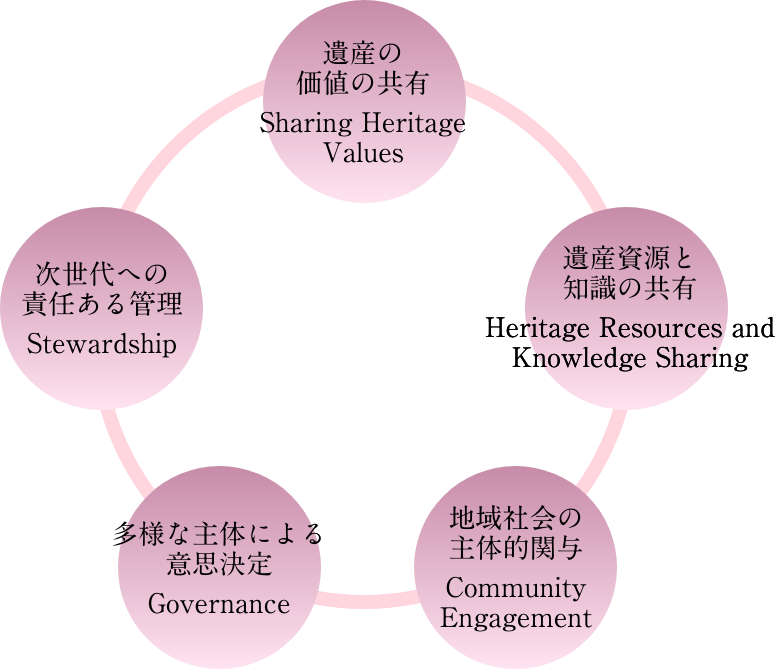
As cross-cutting keywords that span the categories of the Roundtable Sessions and the Mayors’ Session, the five keywords shown in the figure below have been established to deepen discussion and reflection. These may also serve as references for presentations.
(4)Expected Conference outcomes
Participants will share the challenges faced by historic cities and relevant case studies considering the aforementioned categories and keywords through the Roundtable Sessions and the Mayors’ Session. In this way, the conference aims to exchange knowledge and insights for safeguarding and transmitting the cultural heritage of historic cities to future generations, particularly in support of achieving SDG Goal 11 and, in particular, Target 11.4.
Call for Youth Program Participants
Youth Program: Art Exhibition: My Town’s Treasure
An art exhibition will be held as part of the Youth Program at the 20th World Conference of Historical Cities. The exhibition will be open to elementary school students (ages 6-12) residing in the cities participating in the conference. All artwork submitted by participating cities will be displayed during the conference in a location that will be open to both conference participants and the general public.
We hope this program will offer children from each city and conference participants the chance to rediscover the unique charms of their own regions, from beautiful natural landscapes and cultural heritage to traditional food culture and festivals, while building deeper connections with other cities.
Please review the submission guidelines below and consider having your city take part in this program alongside your participation in the conference.
| Theme |
My Town’s Treasure
Participants in the art exhibition will be asked to draw a “treasure” in their town that they would like to pass on to the future. These “treasures” include tangible things such as historical buildings, as well as intangible things such as local scenery and traditional local events. Participants are asked to draw their cherished “treasures” with all their heart, expressing the unique charm of their town.
|
|---|---|
| Application Requirements |
Must be a city attending the 20th World Conference of Historical Cities. (Membership in the League of Historical Cities is not required.) |
| Eligibility | Elementary school students (ages 6-12) residing in cities participating in the 20th World Conference of Historical Cities |
| Submitting Entity | Participating cities are requested to compile and submit entries. (Entries submitted directly by individual applicants will not be accepted.) |
| Drawing Size |
A4-size paper (210 mm × 297 mm) Drawings may be vertical (portrait) or horizontal (landscape). Participants may use any drawing medium. (Crayons, watercolors, colored paper, digital work and more are all welcome.) *The artists retain the copyright for all submitted artwork. However, the organizers reserve the right to use artwork on the City of Himeji website, official YouTube channel, and other platforms, and may also permit media outlets to use works in articles, broadcasts, and other coverage. By submitting an entry to this program, participants are considered to have agreed to the above conditions. |
| Application Process |
Participating cities are requested to compile their city’s entries on the “Art Exhibition: My Town’s Treasure” Application Form and submit them by the deadline. Only the application form is required at the time of application. As artworks must be submitted in paper form in person, digital submission of artwork data is not required.
|
| Note |
|
English Speech Contest: My Town That I Want to Share with the World
An English speech contest will be held as part of the Youth Program at the 20th World Conference of Historical Cities. The contest will be open to junior and high school students (ages 12-18) residing in the cities participating in the conference. We hope this program will offer young people from participating cities the chance to share the unique appeal of their regions in English and inspire interested youth and conference participants alike to rediscover what makes their own communities special.
We encourage cities attending the conference to consider participating in this program alongside the main conference. Please refer to the submission guidelines below for details.
| Theme |
My Town That I Want to Share with the World
In the speech contest, participants will be asked to communicate the charm of their hometown in English. Themes can be freely chosen, such as nature, culture, history, food, events, or connections among people within the community. Please express in English why you want to tell the world about your town, incorporating your own experiences and thoughts.
|
|---|---|
| Application Requirements |
Must be a city attending the 20th World Conference of Historical Cities. (Membership in the League of Historical Cities is not required.) |
| Eligibility |
Junior and high school students (ages 12–18) residing in participating cities
|
| Entry Guidelines |
Video recording of an English speech, approximately 3 to 5 minutes in length
(Technical specifications)
|
| Submitting Entity | Participating cities are requested to compile and submit entries. (Entries submitted directly by individual applicants will not be accepted.) |
| Submission Items |
Participating cities are requested to submit the following two items: ① “English Speech Contest“ Application Form ② Videos of English speeches (For all applicants whose entries are submitted by each city) |
| How to Apply |
|
| Application Deadline | September 30, 2026 (Applications must be completed by September 30.) |
| Awards and Judging |
|
| Note |
|
Call for PR Booth Exhibitors
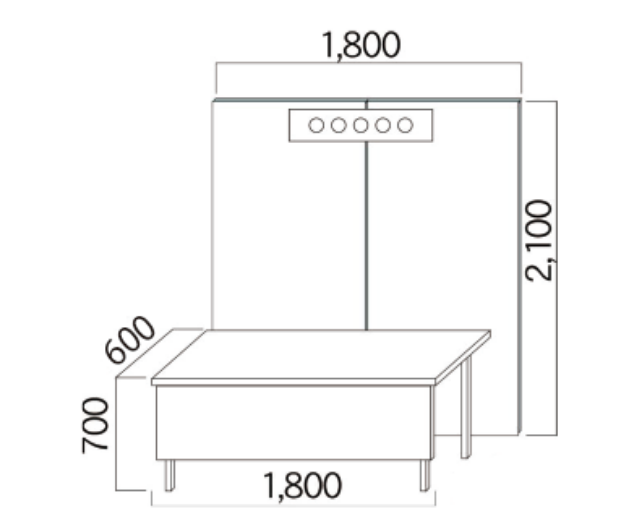
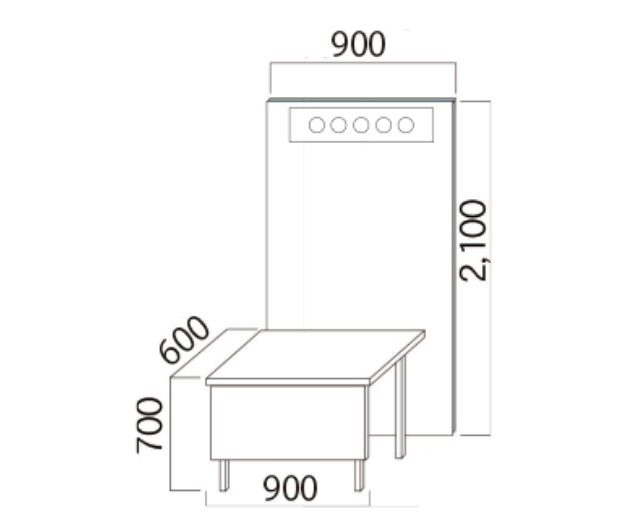
PR booths will be set up at the conference venue for cities attending the conference to display posters, showcase their traditional crafts, provide brochures, and share other promotional materials related to their city. Advance application is required to exhibit at a PR booth. Please review the following application guidelines and consider applying for a booth alongside your participation in the conference.
| Schedule |
Setup: Monday, November 9, 2026 Exhibition: Tuesday, November 10 - Wednesday, November 11, 2026 (Note: The exhibition area will be accessible to both conference participants and the general public.) Move-out: Thursday, November 12, 2026 |
|---|---|
| Eligibility |
|
| Exhibition Fee | Free of charge |
| Exhibition Space |
Booth Type A
Booth Type B
|
| Included Equipment |
1 back panel: W 1,800/900 mm × H 2,100 mm 1 display table: W 1,800/900 mm × H 700 mm × D 600 mm 1 city nameplate: standardized square gothic font in black |
| Application Method |
Please apply by email to the Secretariat, clearly stating the following information:
|
| Application Deadline | Wednesday, September 30, 2026 |
| Notes |
|